Marketing tips
Why flexible check-in and check-out policies could boost your winter bookings in 2026
·
By Amanda Sanders
Winter can be a challenging season for holiday rental hosts. With fewer families booking traditional week-long breaks and quieter periods between peak travel dates, many properties struggle to maintain consistent occupancy during the colder months. However, there's a practical strategy that could help you capture more bookings when demand typically drops: offering flexible check-in and check-out times. Flexible arrival and departure policies have become a key deciding factor for last-minute travellers, remote workers, and business guests who need accommodation outside the standard booking patterns. By adapting your policies, you could unlock revenue opportunities that many hosts overlook during winter.
Who benefits from flexible check-in and check-out policies?
Several guest types actively seek properties with flexible arrival and departure arrangements, particularly during off-peak months.
Last-minute travellers might be attending unexpected family events, responding to work emergencies, or making spontaneous travel decisions. They're typically less focused on securing the lowest price and more concerned with finding accommodation that works with their tight timeframes. A property offering flexible check-in times, especially for late arrivals, becomes far more appealing.
Remote workers and digital nomads often need to check in on Sunday evenings to start work on Monday, or might prefer midweek changeovers that align with their work schedules. Winter offers quieter destinations at better prices, making your accommodation ideal if you can work around their professional commitments.
Business travellers attending conferences, meetings, or site visits need accommodation that fits their schedules. A conference might finish at 2pm, but if your standard check-in doesn't start until 4pm, they face an inconvenient wait. Similarly, guests with afternoon/evening flights appreciate hosts who don't require a 10am checkout when they need to leave at 2pm.
Short-stay guests increasingly book trips outside the traditional Friday-to-Sunday pattern. They might want a Monday-to-Wednesday city break or a Thursday-to-Saturday countryside escape. Offering flexible arrival and departure days, not just flexible times, opens your property to this growing market segment.
The practical benefits of self check-in systems
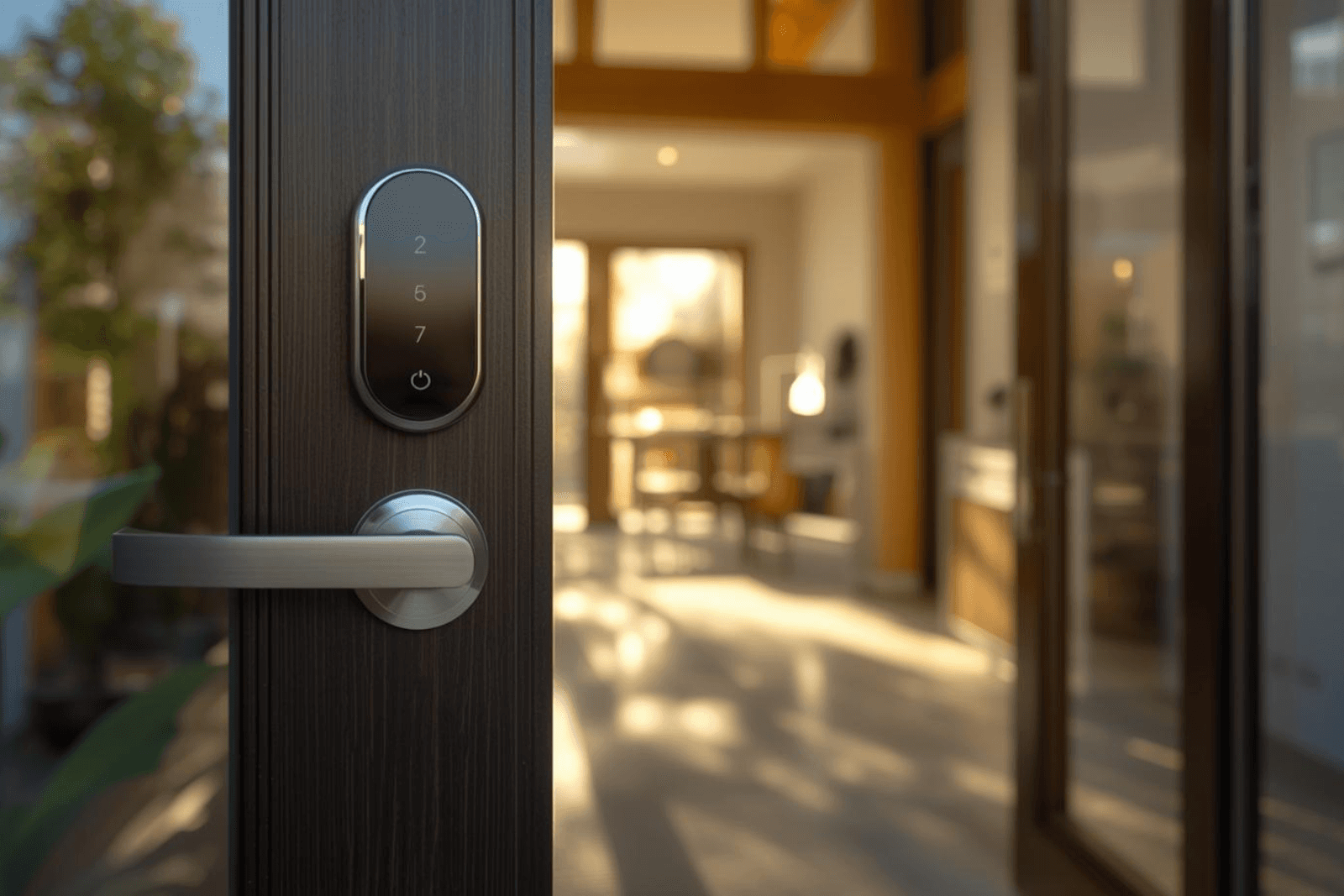
Self check-in technology has made flexible policies far more manageable for hosts. Rather than being physically present or arranging for someone to meet every guest, you can provide secure access through keyless entry systems, lockboxes, or smart locks.
Self check-in systems offer several advantages:
Guests can arrive at times that suit their travel schedules without coordination stress
You're not tied to being available at specific times, particularly valuable if you manage multiple properties
Late arrivals due to weather delays or travel disruptions become less problematic
Guests appreciate the independence and privacy of accessing the property on their own terms
When implementing self check-in, clear communication is essential. Provide detailed instructions before arrival, including photos or videos if helpful. Travelnest's property experts can help you set up effective communication workflows across all your distribution channels.
How to implement flexible policies successfully
Offering flexibility doesn't mean saying yes to every request or creating operational headaches. Successful flexible policies require clear boundaries and smart systems.
Set clear parameters. Rather than completely open-ended arrangements, define what flexible means for your property. You might offer check-in anytime after 2pm and check-out anytime before 12pm, with the possibility of earlier or later times by arrangement. This gives guests more freedom whilst maintaining operational structure.
Communicate in your listings. Make sure your flexible policies are clearly stated in your property descriptions across all booking channels. Phrases like "flexible arrival times available" or "late check-out possible subject to availability" can catch the attention of guests who need these features.
Use your calendar strategically. When you have vacant days between bookings, you can be far more accommodating with timing. If a guest wants to check out at 2pm when your next arrival isn't until three days later, there's no operational reason to refuse. Conversely, back-to-back bookings require tighter windows for cleaning and preparation.
Build buffer time into cleaning schedules. Work with your cleaning team to ensure they can adapt to varying checkout times. This might mean scheduling cleaners for afternoon slots during winter rather than fixed morning appointments.
Attracting short-break bookings during winter
Winter is ideal for encouraging short-break bookings, which can fill gaps in your calendar that week-long bookings won't cover. Many guests prefer two or three-night stays during quieter months, particularly if they're combining leisure with remote work.
To attract short-break guests effectively:
Adjust your minimum stay requirements during low-demand periods (consider reducing from seven nights to two or three nights)
Highlight local winter attractions and activities that suit shorter visits
Price short breaks competitively whilst ensuring profitability after cleaning costs
Promote midweek breaks, which appeal to retired guests, remote workers, or couples without school-age children
Short breaks can generate higher revenue per night than weekly bookings. A three-night Monday-Thursday booking followed by a three-night Friday-Monday booking gives you six occupied nights instead of a potential gap.
When managing your property through Travelnest, you can easily adjust minimum stay requirements for different channels and seasons, helping you capture both short breaks and longer bookings depending on demand patterns.
Updating your listings to highlight flexibility
Your property listings should clearly communicate your flexible policies to help your property appear in searches from guests specifically looking for flexible accommodation.
Update your property description. Include information about flexible check-in and check-out in the main body of your listing, not just buried in the detailed rules section. Mention self check-in capabilities and your willingness to accommodate different arrival times.
Use relevant keywords naturally. Phrases like "flexible check-in times," "self check-in available," "suitable for business travellers," and "perfect for short breaks" help your property appear in relevant searches whilst clearly communicating benefits to potential guests.
Highlight winter-specific advantages. Mention features that make your property particularly suitable for winter stays with flexible timing, such as secure parking for late arrivals, well-heated spaces for early check-ins, or proximity to transport links for business travellers.
If you're using Travelnest to distribute your property across multiple booking channels, you can update these details once and have them reflected across all platforms, saving time whilst maintaining consistent messaging.
Working with Travelnest to optimise your winter strategy
Managing flexible policies across multiple booking platforms can be complex, but Travelnest simplifies this process by synchronising your availability and policies across all channels. When you adjust your check-in and check-out policies, minimum stay requirements, or seasonal pricing for winter periods, these changes are automatically updated across all platforms where your property is listed.
Travelnest's property experts can also provide personalised guidance on implementing flexible policies effectively for your specific property and market. They understand local booking patterns and can advise on the right balance between flexibility and operational efficiency.
Key takeaways for winter bookings
Flexible check-in and check-out policies offer a practical way to improve winter occupancy without significantly increasing your workload or costs, particularly when combined with self check-in systems.
The guests most likely to value flexibility (last-minute travellers, remote workers, business guests, and short-break bookers) are exactly the demographic that books holiday rentals during quieter months. By accommodating their needs, you're positioning your property for the winter market.
Start by defining what flexibility means for your situation, update your listings to communicate your flexible approach, implement reliable self check-in systems, and maintain good communication with guests. Winter doesn't have to mean empty properties and reduced income. With the right approach to flexible policies, you can turn those quieter months into profitable opportunities whilst providing exactly what a growing segment of travellers needs.